
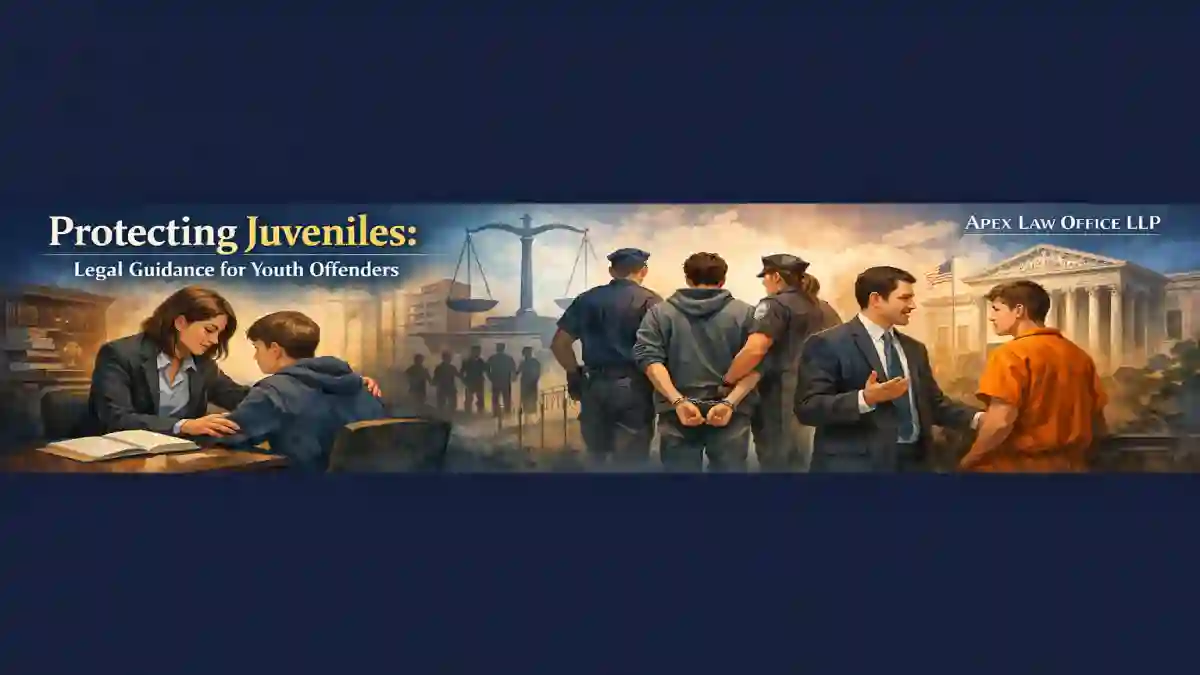
Protecting Juveniles – Young people sometimes make mistakes. In many situations, these mistakes may lead to conflicts with the law. However, society recognizes that juveniles are still growing, learning, and developing. Because of this, the legal system treats youth offenders differently from adults. Instead of focusing only on punishment, the law emphasizes rehabilitation, protection, and guidance.
In India, the justice system provides special protections for children who come into conflict with the law. These protections aim to safeguard their rights, help them reform, and give them a chance to build a better future. Therefore, proper legal guidance becomes extremely important when a juvenile faces legal issues.
At Apex Law Office LLP, we believe that every child deserves a second chance. With the right legal support, juveniles can navigate the justice system while protecting their rights and future opportunities.
Protecting Juveniles: Legal Guidance for Youth Offenders – Apex Law Office LLP

Understanding Who a Juvenile Is
Before discussing legal protection, it is important to understand who qualifies as a juvenile.
In simple terms, a juvenile is a person who has not yet reached the age of 18. When a child below this age commits an offense, the law does not treat them like adult offenders. Instead, the legal system recognizes that young people often act impulsively or under external influence.
Because of this understanding, the law focuses more on reform and rehabilitation rather than strict punishment.
In many cases, juveniles can learn from their mistakes and reintegrate into society successfully if they receive proper guidance and support.
The Purpose of Juvenile Justice
The juvenile justice system exists to protect children while also maintaining public safety. Unlike the adult criminal justice system, which mainly focuses on punishment, juvenile justice emphasizes correction and development.
The main goals include:
- Rehabilitating the child
- Encouraging positive behavioral change
- Protecting the child’s rights
- Preventing future offenses
- Helping the child reintegrate into society
Therefore, when a juvenile faces legal trouble, the system aims to guide them rather than permanently damage their future.
Common Situations Where Juveniles Face Legal Issues
Juveniles may come into contact with the legal system for several reasons. Sometimes the situation arises from peer pressure, lack of supervision, emotional struggles, or exposure to negative influences.
Some common situations include:
1. Theft or Petty Offenses
Young individuals sometimes commit theft or minor offenses without fully understanding the consequences of their actions.
2. Cyber-related Misconduct
With increased internet access, juveniles may become involved in cyberbullying, online fraud, or misuse of digital platforms.
3. Physical Altercations
School fights or neighborhood disputes may sometimes escalate into legal matters.
4. Substance-related Incidents
Juveniles may get involved in cases involving alcohol or drugs due to curiosity or peer influence.
5. Serious Allegations
In rare cases, juveniles may face allegations involving serious crimes. Even in such situations, the legal system provides safeguards.
In all these situations, early legal intervention is crucial to protect the child’s rights.
Legal Rights of Juveniles
Children who face legal proceedings have several rights designed to ensure fair treatment. These protections help maintain dignity and protect their future.
Right to Legal Representation
First and foremost, every juvenile has the right to legal assistance. A lawyer ensures that the child understands the process and that their rights remain protected throughout the proceedings.
Right to Privacy
Juvenile cases are handled confidentially. The identity of the child is usually protected from public disclosure. This prevents stigma and protects the child’s reputation.
Right to Fair Hearing
Juveniles are entitled to a fair hearing before the appropriate authorities. Decisions must be made based on facts, evidence, and the child’s best interests.
Protection from Harsh Punishment
Unlike adults, juveniles are not typically sent to regular prisons. Instead, they may be placed in rehabilitation or observation homes designed for their care and reform.
Right to Rehabilitation
The justice system emphasizes counseling, education, and skill development so that juveniles can improve their lives.
The Role of Families in Juvenile Cases
Families play an essential role when a child faces legal challenges. Their support can greatly influence the child’s emotional well-being and future behavior.
First, parents or guardians should remain calm and supportive. Panic or anger may worsen the situation for the child.
Second, families should seek legal advice as soon as possible. Early guidance helps prevent mistakes during the legal process.
Third, parents must cooperate with authorities while protecting the rights of the child.
Finally, families should focus on counseling and rehabilitation to help the child learn from the experience.
The Importance of Legal Guidance
Legal matters involving juveniles require specialized knowledge and sensitivity. Lawyers who handle these cases must understand both legal procedures and the psychological needs of children.
Proper legal guidance offers several advantages.
Protecting the Child’s Rights
A lawyer ensures that the child receives fair treatment during investigation and hearings.
Preventing Unnecessary Detention
Legal professionals can argue for alternatives such as counseling, community service, or rehabilitation instead of detention.
Guiding Families Through the Process
Legal proceedings can be confusing and stressful for families. A lawyer explains each step and helps them make informed decisions.
Building a Strong Defense
If the allegations are incorrect or exaggerated, legal professionals gather evidence and present a strong defense to protect the child’s future.
Rehabilitation and Reform
One of the most important aspects of juvenile justice is rehabilitation. Instead of focusing solely on punishment, the system encourages positive change.
Rehabilitation may include:
- Counseling sessions
- Educational support
- Vocational training
- Community service programs
- Behavioral therapy
These programs help juveniles understand the consequences of their actions and develop better decision-making skills.
As a result, many young offenders successfully reform and lead productive lives.
Preventing Juvenile Offenses
While legal protection is important, prevention remains the best solution. Several steps can help reduce juvenile offenses.
Strong Family Support
Children who receive guidance and emotional support from their families are less likely to engage in harmful behavior.
Education and Awareness
Teaching young people about laws, responsibilities, and consequences helps them make better choices.
Positive Social Environment
Encouraging participation in sports, arts, and community activities keeps children engaged in positive pursuits.
Mental Health Support
Many juvenile offenses occur due to emotional struggles. Counseling and psychological support can address these challenges early.
By focusing on prevention, society can reduce juvenile crime and protect young people from legal trouble.
How Legal Professionals Help Juveniles
Lawyers who handle juvenile cases do much more than represent clients in court. They also play an important role in protecting the child’s overall well-being.
Legal professionals may:
- Advise families on the best course of action
- Represent the juvenile during hearings
- Ensure authorities follow proper procedures
- Advocate for rehabilitation instead of punishment
- Work with counselors and social workers
Through these efforts, lawyers help create a fair and supportive environment for the child.
Why Early Legal Intervention Matters
Delaying legal assistance can create unnecessary complications. Therefore, families should seek legal advice immediately when a juvenile faces allegations.
Early intervention helps:
- Protect the child’s rights during investigation
- Prevent wrongful accusations
- Ensure proper documentation and evidence
- Reduce emotional stress for the child and family
Most importantly, early guidance increases the chances of a positive outcome.
The Long-Term Impact of Juvenile Cases
Although juvenile laws protect children, legal cases can still affect their future if not handled properly.
For example, unresolved issues may affect:
- Educational opportunities
- Career prospects
- Social reputation
- Emotional well-being
However, with proper legal guidance and rehabilitation, many juveniles successfully overcome these challenges and rebuild their lives.
The Commitment of Apex Law Office LLP
At Apex Law Office LLP, we understand that cases involving juveniles require compassion, confidentiality, and careful legal strategy.
Our approach focuses on:
- Protecting the rights of the child
- Supporting families through difficult situations
- Encouraging rehabilitation and positive change
- Providing strong legal representation
We believe that every child deserves an opportunity to learn, grow, and move forward without being permanently defined by a single mistake.
Frequently Asked Questions
A juvenile is any person who has not completed 18 years of age. When a child below this age commits an offense, the case is handled under the provisions of the Juvenile Justice (Care and Protection of Children) Act, 2015. This law focuses on the care, protection, and rehabilitation of children rather than punishment. Instead of regular criminal courts, cases involving juveniles are usually handled by the Juvenile Justice Board. The purpose is to ensure that the child receives fair treatment and an opportunity for reform.
When a juvenile is accused of an offense, the police follow special procedures. The child cannot be treated like an adult offender. After the initial inquiry, the case is presented before the Juvenile Justice Board. The board evaluates the circumstances, the child’s background, and the nature of the offense. Instead of punishment, the board may recommend counseling, community service, supervision, or placement in a rehabilitation home.
No, juveniles are generally not sent to regular prisons. The law protects them from being placed in adult jails. Instead, if supervision or custody becomes necessary, the juvenile may be placed in an observation home or special rehabilitation facility under the Juvenile Justice (Care and Protection of Children) Act, 2015. These facilities focus on education, counseling, and behavioral improvement.
Yes, every juvenile has the right to legal representation. A lawyer helps protect the child’s rights during the investigation and hearings. Legal professionals also guide families through the process and ensure that the authorities follow proper procedures.
Families should remain supportive and calm during the process. Seeking immediate legal guidance, cooperating with authorities, and encouraging counseling or rehabilitation programs can significantly help the child move forward and rebuild their future.
Conclusion
Juvenile justice is not only about law enforcement; it is also about protecting the future of young individuals. Children who come into conflict with the law need guidance, understanding, and a chance to reform.
Therefore, the legal system provides special protections to ensure that juveniles receive fair treatment and opportunities for rehabilitation.
Families must remain supportive and seek professional legal assistance as soon as possible. With proper guidance, juveniles can navigate legal challenges while preserving their dignity and future opportunities.
At Apex Law Office LLP, we remain committed to protecting juveniles and guiding families through complex legal situations. By combining legal expertise with compassion, we strive to ensure that every young person receives the opportunity to rebuild and succeed.
Read More
- Navigating Investment Law: Legal Expertise for Investors
- Fighting Insurance Fraud: Legal Strategies for Protection
- Whether penalty u/s 270A can be invoked on the estimated addition made by A.O
- Combating White Collar Crime: Legal Strategies and Defense
- How to Register and Get Your Political Party Recognized in India: Step-by-Step Legal Process
- National Commission for Protection of Child Rights


